LinkedIn can be your gateway to discovering new job opportunities and enhancing your professional network. As you navigate this powerful platform, crafting the right questions in your blog headlines can pique interest and encourage readers to engage with your content. In this post, you’ll find ten unique headline titles framed as questions that can help you attract more readers while discussing jobs and LinkedIn strategies. Let’s research into these thought-provoking ideas that will inspire and inform your audience!
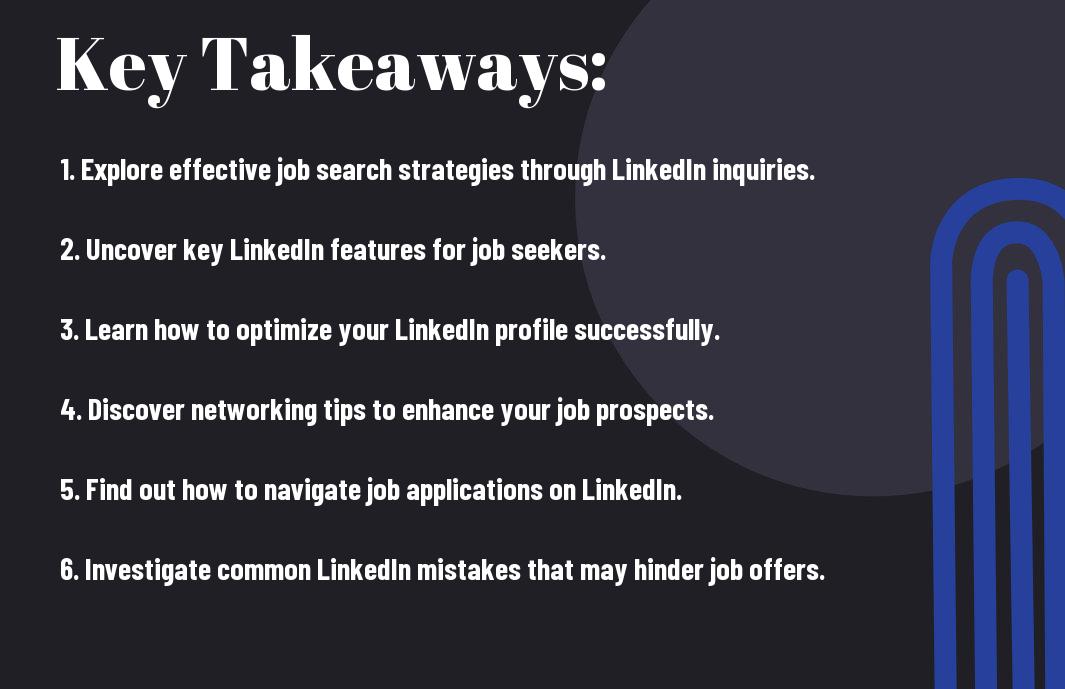
Key Takeaways:
- Engaging Titles: The suggested blog headlines are crafted to spark reader interest and encourage clicks.
- Job Search Focus: Each title emphasizes various aspects of job searching and career development on LinkedIn.
- Interactive Format: Framing blog titles as questions invites readers to seek answers and explore the content further.
- Target Audience: The headlines cater specifically to professionals, job seekers, and LinkedIn users looking to enhance their career prospects.
- Content Variety: By addressing different topics related to jobs and LinkedIn, the titles provide diverse content ideas for a broad audience.
How Can LinkedIn Boost Careers?
The use of LinkedIn can significantly enhance your career prospects by providing a platform for networking, showcasing your skills, and connecting with potential employers. As you build your professional profile, you can highlight your experiences, education, and endorsements, which serve to create a comprehensive picture of your qualifications. This not only increases your visibility but also positions you as a credible candidate in your field. Engaging with industry-related content, joining professional groups, and participating in discussions can further amplify your presence, allowing you to build relationships that may lead to job opportunities.
Additionally, LinkedIn offers various tools and features designed for career development, such as the ability to apply for jobs directly through the platform and access job postings that align with your skills and interests. You can also receive personalized recommendations based on your profile and connections, making the job search process more efficient. By actively managing your LinkedIn presence, you open yourself to a network of professionals and opportunities that can play a significant role in advancing your career.
What Makes a Great Profile?
There’s no doubt that your LinkedIn profile is your digital resume and often the first impression potential employers or connections will have of you. To create a great profile, you should start with a professional profile photo and a compelling headline that encapsulates who you are and what you offer. Think of your headline as a tagline that instantly communicates your professional identity, skills, and aspirations. Ensure your summary is well-crafted; it should tell your career story in an engaging way while highlighting your achievements and goals. This is your chance to showcase your unique brand.
There’s also a significant benefit to leveraging LinkedIn’s features, like recommendations and endorsements. Actively seeking endorsements from colleagues and asking for recommendations can elevate your profile’s credibility. Additionally, include relevant keywords in your profile to improve searchability; hiring managers often use these terms to find suitable candidates. Keep your experience section detailed and updated with quantifiable accomplishments that provide tangible evidence of your skills. By focusing on these elements, you can create a standout profile that not only attracts attention but also opens doors to new opportunities.
Are Endorsements Really Necessary?
Clearly, endorsements on LinkedIn can play an important role in shaping your professional image. When colleagues and connections endorse your skills, it creates social proof that can enhance your credibility. You will find that a robust set of endorsements can complement your experience and qualifications, illustrating to potential employers that you possess the skills they are seeking. While you might wonder just how significant they are in the grand scheme of landing a job, a higher number of endorsements may make your profile stand out in a competitive job market, showcasing your abilities through the voices of others.
However, it’s also important to recognize that endorsements are not the sole indicator of your skills or expertise. While they can lend authority to your profile, you should focus on cultivating meaningful connections and engaging in discussions related to your industry. When you emphasize the quality of your skills and the depth of your network, endorsements can become a valuable asset rather than the core component of your professional narrative. Thus, instead of solely seeking quantity, prioritize gaining endorsements from individuals who genuinely understand your capabilities, which will ultimately provide more substantial support to your career aspirations.
How to Network Effectively?
Even in today’s digital era, effective networking remains an necessary skill for advancing your career. Start by identifying your goals—what do you hope to achieve through networking? Whether it’s finding a mentor, exploring job opportunities, or gaining industry insights, having clear objectives will guide your approach. Utilize LinkedIn to your advantage by crafting a compelling profile that showcases your skills and experiences. Once your profile reflects your professional identity, actively engage with your network by sharing relevant content, commenting on posts, and participating in discussions that align with your interests.
As you reach out to others, personalize your messages to establish genuine connections. When connecting with someone new, mention common interests or experiences to make your outreach more relatable. Attend industry events, both virtual and in-person, and don’t hesitate to introduce yourself to others, as many individuals are eager to connect and share their knowledge. Follow up with those you meet; a simple thank you note or a message referencing your conversation can leave a lasting impression. By nurturing your professional relationships and adding value where you can, you position yourself as a resource and a proactive member of your network, opening doors for future opportunities.
What Skills Are Employers Seeking?
Assuming you’re contemplating your next career move or considering how to enhance your current skill set, it’s imperative to know the skills that employers are actively seeking today. In the modern workforce, employers are not only looking for technical proficiency but also soft skills that can help you stand out. For instance, communication, teamwork, and problem-solving abilities are highly valued across various industries. Additionally, digital literacy has become increasingly important as many organizations shift towards remote work and digital platforms. Having strong IT skills can set you apart from other candidates, making you more attractive to potential employers.
Moreover, if you want to leverage your LinkedIn profile to showcase your skills effectively, you might find it helpful to refer to Your ultimate guide to LinkedIn headlines (with 15+ best …. This resource can provide insights on how to craft a compelling headline that encapsulates your most marketable skills. By highlighting the right combination of both soft and hard skills on your profile, you can draw the attention of hiring managers and position yourself as a strong candidate for job opportunities.
Can LinkedIn Help You Switch Careers?
Unlike traditional job searching methods, LinkedIn offers you a dynamic platform to explore new career paths and connect with professionals in various fields. By leveraging your existing network and expanding it strategically, you can uncover opportunities and gain insights into industries that pique your interest. You can participate in group discussions, share content relevant to your desired field, and even follow key influencers to stay updated on trends. This active engagement not only enhances your visibility but also allows you to establish rapport with potential employers and industry insiders who may help you transition smoothly into your new career.
Your LinkedIn profile acts as a living resume that showcases your skills, experiences, and aspirations. By highlighting transferable skills relevant to your target industry, you can attract the attention of recruiters looking for candidates with diverse backgrounds. Additionally, utilizing LinkedIn Learning can enhance your qualifications by allowing you to take courses or certifications that bolster your expertise in a new area. Embracing these features positions you strategically in the job market, making LinkedIn an invaluable tool for anyone considering a career switch.

How Often Should You Update?
After establishing your LinkedIn profile, it’s crucial to keep it fresh and current. You should aim to update your profile at least every three to six months, especially if you experience changes in your professional life. This might include a new job, promotions, or even acquiring new skills or certifications. Regular updates not only make your profile more appealing to recruiters but also allow your network to stay informed about your professional journey. If you actively engage in projects or achievements that enhance your skills, consider adding them in real-time to keep your profile relevant.
In addition to periodic updates, consider refreshing your profile based on your activity and industry trends. If your field is fast-paced or you notice that your peers are updating their profiles more frequently, don’t hesitate to mirror that behavior. Engaging with your network by sharing insightful articles, commenting on industry-related posts, or posting about your personal achievements can also signal to your connections that your professional landscape is evolving. By maintaining an updated LinkedIn profile, you increase your visibility and present yourself as a dynamic expert in your field.
What Are LinkedIn Groups’ Benefits?
Keep in mind that LinkedIn Groups offer a unique space for professionals like you to connect, share ideas, and build valuable relationships within your industry. By participating in these groups, you can access a wealth of knowledge from peers, stay updated on industry trends, and engage in discussions that highlight your expertise. These interactions not only enhance your professional presence but can also lead to new career opportunities as you increase your visibility among potential employers and collaborators.
Moreover, LinkedIn Groups can serve as a platform for networking beyond your immediate circle. When you actively engage in group discussions, your contributions can showcase your skills and insights to a wider audience. This visibility can lead to opportunities for mentorship, collaboration, or even job leads. Embracing the benefits of LinkedIn Groups allows you to position yourself as a thought leader, create meaningful connections, and ultimately advance your career within your chosen field.
How to Use LinkedIn for Job Search?
Many job seekers overlook the powerful tools that LinkedIn offers to enhance their job search. To get started, you should first ensure that your profile is fully optimized. This means adding a professional profile photo, writing a compelling headline that reflects your expertise or career goals, and crafting a detailed summary that showcases your skills and experiences. Taking the time to tailor your profile will help you stand out to potential employers and recruiters while significantly increasing your visibility on the platform.
Next, leverage LinkedIn’s networking features to connect with industry professionals. You can join relevant groups, participate in discussions, and follow companies you are interested in to stay updated on job openings and industry trends. Consider reaching out to your connections for informational interviews or advice on job opportunities. By actively engaging with your network, you can gain insights that may not be readily available through traditional job listings, enhancing your chances of finding the right position for you.
To wrap up
Presently, as you navigate the competitive landscape of job searching and professional networking, the insights gained from unique blog headlines related to jobs and LinkedIn can serve as valuable tools in your arsenal. These headlines, framed as questions, not only pique curiosity but also encourage you to think critically about your own career journey. By engaging with these thought-provoking questions, you can identify gaps in your LinkedIn profile, refine your job search strategy, and ultimately enhance your online presence.
All things considered, leveraging the power of effective blog titles can significantly impact how you approach your professional development. As you consider these questions, take time to reflect on your current position and envision your future goals. By doing so, you’ll be well-equipped to make informed decisions that align with your aspirations, allowing you to cultivate meaningful connections and seize the right opportunities within your industry.
FAQ
Q: What are some creative ways to use LinkedIn for job searching?
A: Leveraging LinkedIn for job searching can be enhanced by regularly updating your profile, engaging with industry-related content, and utilizing features like LinkedIn Groups. Networking with connections through personalized messages and showcasing your expertise through thoughtful posts can also attract potential employers.
Q: How can I improve my LinkedIn headline to attract recruiters?
A: Your LinkedIn headline can be improved by clearly stating your current role or career aspiration, including relevant keywords for your industry, and showcasing your unique value proposition. Consider adding a personal touch by mentioning your professional passions or specialties to make it stand out.
Q: What types of content should I share on LinkedIn to enhance my job prospects?
A: Sharing insightful industry articles, personal achievements, success stories from previous roles and engaging in discussions related to your field can significantly boost your visibility on LinkedIn. Posting about new skills you are learning or sharing relevant experiences also helps showcase your commitment to professional growth.
Q: How can I use LinkedIn recommendations to benefit my job hunt?
A: Obtaining recommendations from colleagues, supervisors, or clients can enhance your LinkedIn profile by providing social proof of your skills and accomplishments. Aim to request recommendations from individuals who can speak to specific achievements or roles, as these can effectively showcase your capabilities to potential employers.
Q: What should I focus on when crafting my LinkedIn summary for job applications?
A: When crafting your LinkedWhen all is said and done, prioritize clarity and conciseness by outlining your professional background, key skills, and career goals. Highlight major achievements, use impactful keywords, and infuse your personality to create an authentic narrative that reflects why you are an ideal candidate for potential job opportunities.