There’s a growing awareness of workplace anxiety and its impact on your mental well-being and job performance. It can be challenging to navigate the pressures of deadlines, interpersonal dynamics, and high expectations. However, understanding and implementing effective strategies can help you manage anxiety, boost your confidence, and enhance your productivity at work. In this post, you’ll discover ten proven techniques designed to create a more balanced professional environment and empower you to take control of your mental health.
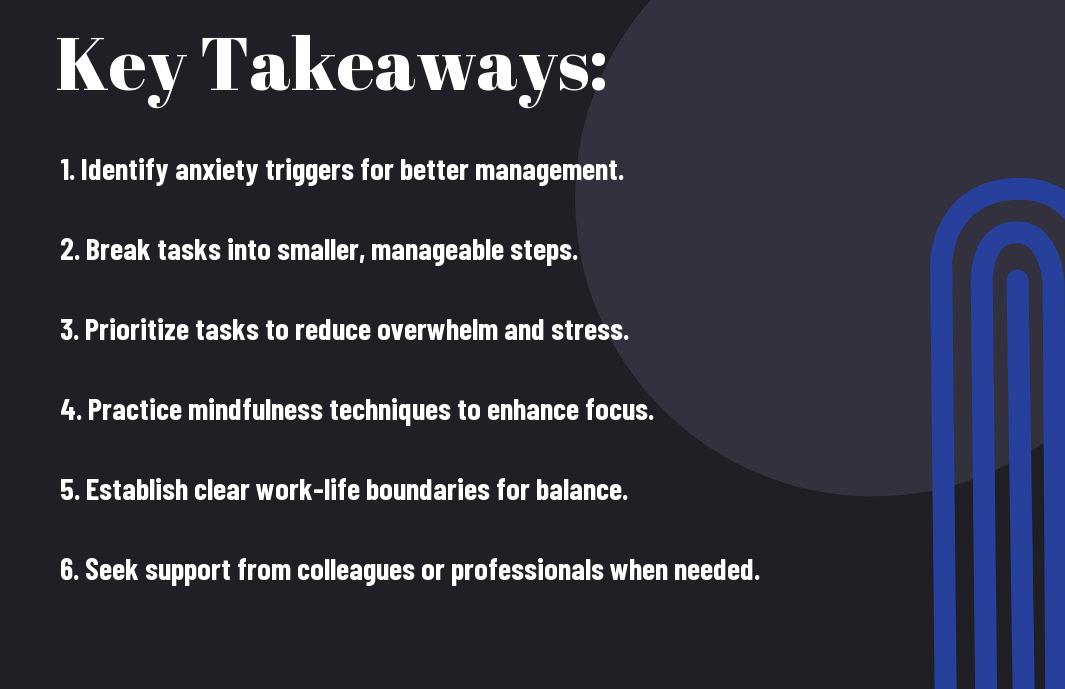
Key Takeaways:
- Identify Triggers: Recognizing specific situations or interactions that cause anxiety can help in effectively addressing them.
- Break Tasks Down: Dividing large tasks into smaller, manageable steps makes workloads feel less overwhelming and helps focus better.
- Practice Stress Management: Incorporating techniques like deep breathing, mindfulness, and meditation can significantly reduce anxiety.
- Open Communication: Engaging in conversations with supervisors and colleagues fosters understanding and support, which may alleviate stressors.
- Seek Professional Help: When anxiety feels unmanageable, reaching out to mental health professionals can provide tailored coping strategies.
Understanding Workplace Anxiety
A common experience in today’s demanding work environment, workplace anxiety can significantly impact your overall well-being and productivity. You may find yourself feeling uneasy or apprehensive about various aspects of work, ranging from job performance and interpersonal relationships to workload and job security. Acknowledging and understanding workplace anxiety is the first step toward effectively managing it, and gaining insight into its sources can help you identify your unique triggers.
Definition and Sources
Above all, workplace anxiety is characterized by overwhelming feelings of stress and worry that arise in response to specific work-related factors. The sources of this anxiety can differ vastly between individuals but often include concerns about meeting performance expectations, navigating difficult workplace relationships, or coping with significant organizational changes. Additionally, variables such as heavy workloads, tight deadlines, and job insecurity can heighten your feelings of anxiety, making it important to recognize and address these stressors proactively.
Signs and Symptoms
On your journey to managing workplace anxiety, it’s crucial to be aware of the signs and symptoms that may indicate its presence. These may manifest as mental turmoil, emotional instability, or physical discomfort, making it challenging to focus or engage in daily tasks. Some common indicators include racing thoughts, irritability, physical pain such as tension or headaches, and behavioral changes like social withdrawal or procrastination.
Due to the varying nature of anxiety, you may experience different combinations of these symptoms, which can directly affect your performance and interactions at work. Being mindful of these signs can empower you to take action early, potentially preventing more severe consequences. Recognizing how workplace anxiety presents itself in your life is a vital step toward gaining control and addressing the factors contributing to your stress.

Assessing Your Triggers
It’s vital to assess and understand the specific triggers that contribute to your workplace anxiety. Every individual reacts differently to stressors, and identifying these can significantly enhance your coping strategies. By recognizing what prompts your feelings of unease, whether it be looming deadlines, challenging interpersonal relationships, or concerns over job security, you can take proactive measures to mitigate their impact. Keeping a stress journal can be a beneficial exercise, where you document situations that lead to anxiety, allowing you to spot patterns and address them systematically.
Identifying Stressors
Against the backdrop of a fast-paced work environment, pinpointing your unique stressors is vital. Consider creating a list of the specific aspects of your job that trigger feelings of worry. This might include particular tasks that feel overwhelming, difficult interactions with colleagues, or even organizational changes that leave you feeling uncertain. By clearly defining these elements, you empower yourself to tackle them directly, whether through open communication with your supervisor or by adjusting your workload to better align with your capacity.
Self-Reflection Techniques
Your capacity for self-reflection is a powerful tool in managing anxiety effectively. Allocate time regularly to assess your thoughts and emotions regarding your work environment. Engaging in guided meditation or quiet contemplation can help you gain a deeper understanding of your feelings. Reflect on past experiences to evaluate how you responded to stressful situations. This reflection not only aids in recognizing triggers but also helps you devise strategies that worked (or didn’t work) in the past, enabling you to refine your approach to current stressors.
Indeed, incorporating self-reflection into your routine can enhance your emotional intelligence and resilience. Techniques such as journaling, meditative practices, or even discussing your thoughts with a trusted colleague can provide clarity and insight into your anxiety. This deeper understanding allows you to cultivate more effective coping mechanisms, fostering a sense of control over stressors that previously felt insurmountable. By examining your reactions and thought patterns, you lay the foundation for improved confidence and productivity in your work life.

Effective Time Management
All aspects of workplace anxiety can be effectively managed through consistent and strategic time management practices. When you harness the power of effective time management, you not only fend off stress but also create a more organized and productive work environment. This proactive approach enables you to tackle workload challenges methodically, making room for a balanced lifestyle that allows for personal and professional growth. Implementing these strategies can significantly enhance your productivity and reduce feelings of overwhelm.
Prioritizing Tasks
Against a backdrop of competing deadlines and numerous responsibilities, prioritizing tasks becomes necessary for managing workplace anxiety. You should start by assessing which tasks are most urgent and important. Utilize tools such as the Eisenhower Matrix to distinguish between tasks that require immediate attention and those that can be scheduled for later. By organizing and prioritizing your to-do list, you can allocate your energy efficiently, ensuring you tackle the most pressing issues first and alleviating the stress of approaching deadlines.
Setting Realistic Goals
Above all, setting realistic goals serves as one of the most effective methods to combat workplace anxiety. When you establish achievable objectives, you create a roadmap that guides your daily activities without overwhelming your mental capacity. Being overly ambitious can lead to feelings of failure if you do not meet self-imposed standards. Instead, by breaking down your larger projects into smaller, manageable goals, you’ll cultivate a sense of accomplishment with each step completed, ultimately boosting your confidence and motivation. This structured approach not only lessens anxiety but also fosters a more positive outlook on your work.
A well-defined goal-setting process includes creating short- and long-term objectives that align with both your responsibilities and your personal capabilities. You can utilize SMART criteria—specific, measurable, achievable, relevant, and time-bound—to ensure your goals are both attainable and meaningful. A targeted approach helps you maintain focus on what you can realistically achieve, leading to manageable workloads and a significant reduction in anxiety levels associated with work performance. Incorporating goal setting into your routine can ultimately transform your relationship with work, fostering a healthier, more balanced approach to your professional life.
Implementing Stress-Reduction Techniques
To effectively manage workplace anxiety, incorporating stress-reduction techniques into your daily routine can be a game-changer. These approaches not only help diminish feelings of anxiety but also enhance your overall well-being and productivity. By implementing practices such as mindfulness, relaxation exercises, and physical activity, you can create a more balanced work environment that fosters both mental clarity and emotional resilience.
Mindfulness and Relaxation
Beside employing stress-reduction techniques, practicing mindfulness and relaxation can significantly impact your anxiety levels. Mindfulness involves being fully present and engaged in the moment, which can help you gain perspective on your thoughts and worries. Techniques such as deep breathing exercises, meditation, and progressive muscle relaxation can quiet the mind, reduce racing thoughts, and promote a sense of calm. By dedicating just a few minutes each day to mindfulness practices, you can cultivate a positive mental state that contributes to your productivity and decision-making processes at work.
Physical Exercise Benefits
Benefits of incorporating physical exercise into your routine extend beyond just physical fitness; it plays a vital role in alleviating workplace anxiety. Engaging in regular physical activity releases endorphins, which are neurotransmitters that positively affect your mood and reduce stress. Whether it’s a brisk walk during your lunch break or a structured workout after work, consistent exercise can help you build resilience against the pressures of the workplace.
With numerous studies indicating that regular exercise contributes to lower levels of anxiety and depression, it’s clear that making physical activity a priority can enhance your mental wellness. A report by the Anxiety and Depression Association of America highlights that even brief bouts of exercise can elevate your mood and significantly reduce feelings of anxiety. By prioritizing exercise in your daily routine, you can improve your overall mental hygiene, boosting your confidence and efficiency at work.
Fostering Open Communication
Not opening the channels of communication in the workplace can exacerbate feelings of anxiety and stress. When you keep your concerns private, they can fester and grow, impacting your well-being and productivity. Fostering open communication is vital in addressing workplace anxiety effectively. It allows for the sharing of experiences, solutions, and support that can mitigate the adverse effects of stress. To explore 10 Effective Strategies for Managing Workplace Anxiety, you can empower yourself to create a more supportive work environment.
Building Trust with Colleagues
Open communication thrives in an atmosphere of trust among colleagues. When you actively engage with your peers about your work-related concerns, you build a support network that can help alleviate anxiety. Share your experiences and listen to those of your colleagues; this exchange not only fosters a sense of community but also reinforces that you are not alone in facing workplace challenges. By maintaining transparency, you will encourage others to do the same, creating an environment where collective problem-solving becomes the norm.
Seeking Support from Supervisors
Between maintaining your workload and navigating interpersonal relationships, it’s easy to overlook the importance of seeking support from supervisors. Your supervisors play a pivotal role in shaping the work environment and can provide resources, guidance, or adjustments that may alleviate your anxiety. Don’t hesitate to discuss your workload, deadlines, or any job-related concerns with them, as they can often offer insight or solutions you may not have considered.
In addition, a proactive approach in seeking feedback and support from your supervisors can help you identify areas for improvement and receive constructive criticism. This dialogue not only helps you manage your current responsibilities but also establishes a foundation for your career growth. Supervisors can also advocate for you if they are aware of your challenges, which can lead to changes in workload or additional resources that enhance your confidence and productivity.
Creating a Healthy Work-Life Balance
Now, creating a healthy work-life balance is important for managing workplace anxiety effectively. Balancing your personal and professional responsibilities can help you maintain your mental well-being, reduce stress, and enhance your overall productivity. A well-defined balance allows you to focus on your tasks during work hours while ensuring you dedicate time to your personal life, friendships, and self-care outside of work. When you prioritize balance, you not only achieve greater fulfillment but also mitigate anxiety associated with feeling overwhelmed by work commitments.
Setting Boundaries
On this journey towards a healthier work-life balance, setting boundaries is one of the most significant steps you can take. You want to establish clear limits on when and how much you engage with work-related tasks, particularly outside of your designated working hours. For example, try designating specific times to check emails or respond to messages, allowing yourself to disconnect completely during your personal time. Consistently practicing these boundaries protects your mental space and creates a healthier relationship with your work environment.
The Importance of Downtime
To effectively manage workplace anxiety, it’s vital to prioritize downtime in your schedule. Incorporating breaks and leisure activities into your daily routine enables your mind to recharge and process the challenges of your work life. When you dedicate time to unwind, you increase your resilience against stressors, enhancing your ability to focus and perform under pressure. Studies show that employees who take regular breaks report higher job satisfaction and lower levels of workplace anxiety.
At the end of the day, allowing yourself moments of relaxation and enjoyment is important to your overall well-being. Setting aside time for hobbies, family, and self-care acts as a powerful counterbalance to the demands of your job, ensuring you don’t carry work-related stress into your personal life. By valuing downtime, you equip yourself with the mental fortitude needed to navigate workplace challenges with greater ease and confidence.
10 Proven Strategies to Manage Workplace Anxiety: Boost Your Confidence and Productivity
As a reminder, navigating workplace anxiety doesn’t have to feel overwhelming; you can take control of your mental well-being with practical strategies. By identifying your triggers and breaking tasks into manageable steps, you can transform anxiety from a hurdle into a tool that enhances your performance. Utilizing time management techniques, setting realistic expectations, and communicating openly with colleagues and supervisors are vital steps in creating a supportive work environment. These strategies not only cultivate your confidence but also promote higher productivity at work.
Incorporating mindfulness practices and physical activity into your daily routine can significantly contribute to reducing stress levels. Adopting a balanced lifestyle, along with seeking professional help when needed, will further bolster your resilience to workplace challenges. By applying these ten proven strategies, you empower yourself to turn workplace anxiety into an opportunity for personal and professional growth, ultimately leading to a healthier, more fulfilling work experience.
10 Proven Strategies to Manage Workplace Anxiety: FAQ
Q: What are the most effective strategies to manage workplace anxiety?
A: Some of the most effective strategies include identifying triggers, breaking tasks into manageable steps, and practicing stress-reducing techniques such as deep breathing and mindfulness. Regular physical activity, maintaining a healthy lifestyle, and setting realistic expectations are also vital. Open communication with supervisors and colleagues can foster a supportive environment, while seeking professional help, if necessary, offers additional coping strategies tailored to your needs.
Q: How can I identify my specific anxiety triggers at work?
A: To identify triggers, start by keeping a journal of situations that provoke anxiety. Note the tasks, interactions, or environments associated with feelings of unease. Over time, patterns may emerge that can help pinpoint specific causes of stress. By understanding what triggers your anxiety, you can develop targeted strategies to manage or mitigate those triggers more effectively.
Q: What role does physical activity play in reducing workplace anxiety?
A: Physical activity is known to release endorphins, the body’s natural stress relievers. Regular exercise can enhance mood, boost self-confidence, and improve overall mental health. Incorporating physical activity into your routine, whether through brisk walks during breaks or attending fitness classes, can provide a valuable outlet for stress and anxiety. Aim for at least 30 minutes of moderate exercise most days to reap the benefits.
Q: How can I initiate open communication about my anxiety with colleagues or supervisors?
A: Initiating open communication can begin with a calm discussion, highlighting specific challenges you’re facing. Choose a private setting to ensure confidentiality and comfort. Express your willingness to find solutions and ask for support where you need it. You may also consider framing the conversation around how addressing your anxiety can enhance collaboration and productivity within the team.
Q: When should I consider seeking professional help for workplace anxiety?
A: If workplace anxiety becomes overwhelming or persistent, significantly impacting your daily functioning or quality of life, seeking professional help may be beneficial. Signs that it may be time to reach out include inability to manage stress despite efforts, a decline in job performance, or feelings of hopelessness. A mental health professional can provide tailored strategies and support to navigate anxiety effectively.