You have the opportunity to revolutionise your recruitment process by effectively utilising your employer portal. This comprehensive guide will help you unlock its full potential, allowing you to streamline workflows, enhance candidate engagement, and make data-driven decisions. By implementing the best practices outlined here, you can significantly reduce time-to-hire and improve the quality of your candidates, ensuring that you remain competitive in the ever-evolving talent market.

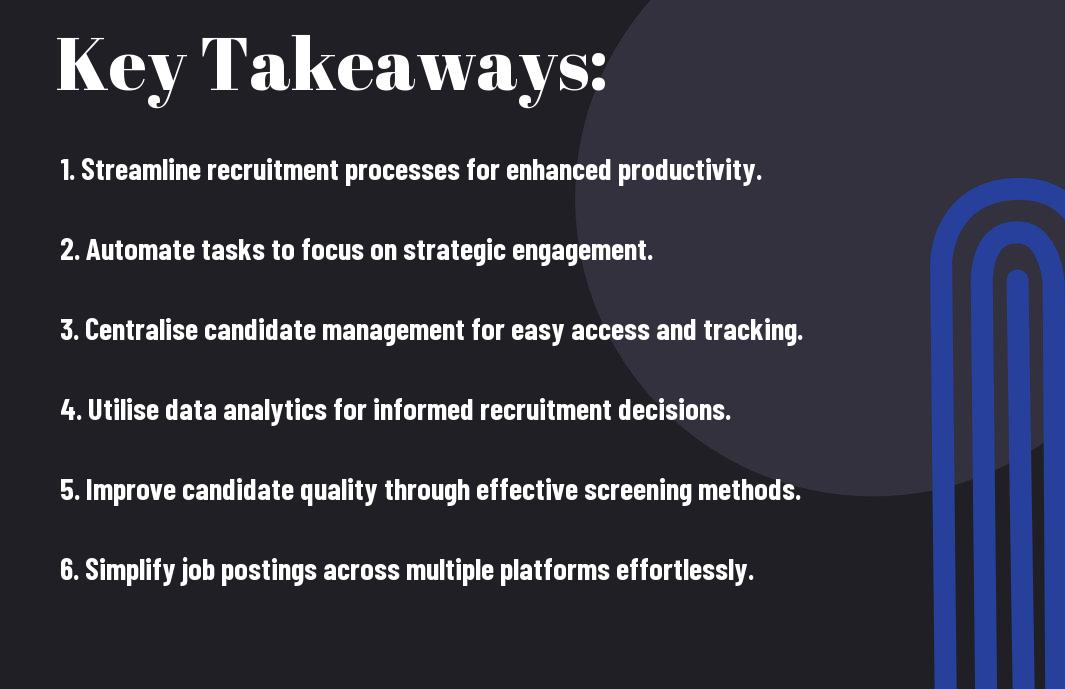
Key Takeaways:
- Streamlined Processes: An employer portal automates and consolidates various recruitment tasks, significantly reducing time-to-hire and increasing overall efficiency.
- Centralised Management: By centralising candidate data, recruiters can easily manage applications and communications from a single dashboard, ensuring no top talent is overlooked.
- Enhanced Candidate Quality: Recruitment portals can boost the quality of candidates by 30% through targeted job postings and automated screening processes.
- Data-Driven Insights: Utilising analytics provided by the portal enables recruiters to make informed decisions and continuously optimise their recruitment strategies.
- Improved Collaboration: Communication tools within the portal foster better interactions with candidates and streamline interview scheduling, enhancing the overall hiring experience.
Understanding the Employer Portal
Definition and Purpose
For modern recruiters, an employer portal serves as an integral digital platform that makes the entire hiring process more efficient. Above all, it consolidates tasks from job postings to candidate management, allowing you to oversee every stage of the recruitment lifecycle from a single access point. By centralising these functions, you can significantly reduce the time-to-hire, with studies indicating that companies using recruitment tools like this can improve their speed by up to 60%.
Benefits of Using an Employer Portal
Beside enhancing efficiency, the implementation of an employer portal can elevate the quality of your hiring outcomes. You can streamline processes, automate repetitive tasks, and manage your candidate pool more effectively—all from one interface. This results in a reported 30% increase in candidate quality and a marked improvement in your ability to engage with top talent, ensuring that no opportunity to secure a potential asset is missed.
Purposefully employing an employer portal not only grants you a smarter recruitment infrastructure but also creates a more satisfying experience for both recruiters and candidates. With integrated analytics tools, you can make data-driven decisions to optimise your strategy, ensuring that you remain competitive in a fast-paced hiring landscape. The reliance on scattered spreadsheets and emails is a thing of the past; instead, you can harness technology to unlock your recruitment potential fully.
Key Features of an Employer Portal
Any recruitment professional looking to maximise efficiency must be aware of the key features that an employer portal offers. These features streamline your hiring processes and allow you to focus on cultivating relationships with potential candidates. Here’s a detailed list of the key features you should look for:
- Applicant Tracking System (ATS)
- Multi-Channel Job Posting
- Candidate Sourcing Tools
- Interview Scheduling and Management
- Reporting and Analytics
With up to 85% of companies reporting improved efficiency after adopting automated recruitment tools, these features are designed to help you enhance your hiring strategy effectively. Recognising the importance of these functionalities will empower you to transform your recruitment approach and maintain a competitive edge in a fast-paced market.
Applicant Tracking System (ATS)
Features of an Applicant Tracking System (ATS) include managing and tracking applicants throughout the entire recruitment lifecycle. This system allows you to oversee everything from the submission of applications to onboarding, ensuring that you never overlook a promising candidate. By centralising applicant information, you can quickly review resumes, monitor communication, and coordinate interviews without sifting through numerous platforms or emails.
Moreover, an ATS not only streamlines your recruitment process but also enhances collaboration within your hiring team. By facilitating easy access to candidate profiles and enabling shared notes, your team can make more informed hiring decisions. A well-implemented ATS can significantly reduce your time-to-hire by up to 60%, allowing you to focus on strategic initiatives rather than getting lost in administrative tasks.
Multi-Channel Job Posting
Portal functionality allows for posting job vacancies across various platforms with just a single click. This capability is especially important in today’s competitive job market, where visibility vastly increases your chances of attracting top talent. Instead of manually entering details on multiple job boards, you can utilise your employer portal to automate this process, thereby ensuring that your listings reach a broader audience.
System integration is key to enhancing your recruitment strategy. With multi-channel job posting features, you can effortlessly distribute job advertisements across popular job boards, social media sites, and your own company career page. Consequently, you will not only save time but also broaden your reach and enhance your candidate pool. The data indicates that companies leveraging such systems experience a 25% faster time-to-hire and a 30% increase in candidate quality, making it an advantageous approach for your recruitment efforts.
Automating Recruitment Processes
Once again, the landscape of recruitment is evolving, and automation is at the forefront of this transformation. By integrating automation into your recruitment processes, you can eliminate repetitive tasks that often consume your valuable time. This not only facilitates a smoother workflow but also allows you to concentrate on strategic activities, such as building relationships with candidates and enhancing the overall hiring experience. Companies that implement automated recruitment tools report an average of 25% faster time-to-hire, making it an necessary component for staying competitive in today’s fast-paced job market.
Moreover, automating your recruitment processes means that you can facilitate a more organised approach to hiring. From posting jobs across multiple platforms with a single click to managing candidate applications efficiently through a centralised system, you can improve your overall hiring infrastructure. With 85% of companies indicating improved efficiency after adopting these systems, the potential for enhanced productivity is substantial.
Automated Screening and Interview Scheduling
Among the many advantages of an employer portal is the ability to implement automated screening processes that dramatically simplify candidate evaluation. By defining specific criteria, such as qualifications and experience, you can set automated filters that swiftly identify the most suitable candidates. This automation not only reduces the chance of human error but also accelerates the shortlisting process, allowing you to focus on engaging with top talent rather than sifting through countless resumes.
Additionally, automated interview scheduling can save you substantial time and energy. Many portals offer features that allow you to send invitations, set reminders, and gather feedback without the need for endless email exchanges. This streamlined approach can significantly expedite the hiring process, ultimately leading to a faster time-to-hire and a better candidate experience.
Utilising Data Analytics for Informed Decisions
The use of data analytics in your recruitment strategy can profoundly impact your decision-making process. By leveraging the insights provided by your employer portal, you can monitor necessary metrics such as application rates, candidate sources, and the average time-to-hire for specific positions. This data not only aids in identifying areas for improvement but also allows you to fine-tune your hiring strategy, ensuring that your efforts are as effective as possible.
A key benefit of utilising data analytics is the ability to make data-driven decisions that can significantly enhance recruitment outcomes. For instance, evaluating the demographics of your applicants and their sources can help you tailor your job postings to attract the right candidates. With 30% increased quality of candidates reported from those using recruitment portals, the application of analytics becomes not just advantageous but necessary for continually optimising your approach and achieving better hiring results.
Best Practices for Utilizing Your Employer Portal
Now, to truly harness the power of your employer portal, it’s important to adopt best practices that can maximise its potential. By ensuring that you are utilising every feature to its fullest, you can streamline your recruitment process and elevate your hiring strategy. This means leveraging the tools available to enhance communication, efficiency, and engagement throughout the hiring lifecycle.
Customizing Job Descriptions
Descriptions are the first impression you give potential candidates, making it vital to craft them with care and precision. Use the templates provided by your employer portal to create detailed and engaging job descriptions. Clearly outline the responsibilities and qualifications required for the role, as this will help attract a more targeted pool of applicants and significantly increase your chances of finding the right fit.
Engaging Passive Candidates
With the ever-evolving job market, engaging passive candidates can provide a significant advantage in your recruitment efforts. These individuals are not actively seeking new opportunities but may be open to the idea if approached correctly. Your employer portal likely allows you to search for candidates who fit your criteria, offering you access to a broader talent pool that extends beyond those actively applying. Take the time to craft thoughtful outreach messages that resonate with them and highlight what makes your organisation an appealing place to work.
Consequently, tapping into this segment of the workforce could bolster your candidate quality by an impressive 30%. Actively engaging with passive candidates not only enhances your hiring outcomes but also strengthens your company’s brand in the job market, allowing you to build a lasting connection even before a role becomes available. This proactive strategy ensures you are always in a competitive position, particularly as you work to minimise your time-to-hire by up to 60%.
Measuring Success and Metrics to Track
Keep in mind that measuring the success of your recruitment efforts is necessary to ensuring that your employer portal is functioning optimally. Effective measurement allows you to identify which aspects of your recruitment strategy are working well and where improvements can be made. By keeping track of key recruitment metrics, you can make data-driven decisions that lead to better hiring outcomes. This means focusing on metrics such as time-to-hire, candidate quality, and application rates, which have been shown to improve by 25% and 30% respectively when using an employer portal.
Key Recruitment Metrics to Monitor
Across your recruitment process, there are several key metrics you should actively monitor. First, consider tracking your time-to-hire, which indicates the duration from job posting to candidate onboarding. A streamlined employer portal can reduce this time by up to 60%, providing you with quicker access to top talent. Additionally, evaluating candidate quality will help you understand the effectiveness of your job postings and screening processes. When you see a 30% increase in candidate quality, it’s a testament to how well your recruitment tools are performing.
Analyzing Data for Continuous Improvement
Metrics play a significant role in understanding the dynamics of your recruitment process. By analysing data collected through your employer portal, you’re in a position to fine-tune your hiring strategies continually. Changes in application rates or shifts in candidate demographics can provide valuable insights that inform your future job postings and screening criteria. Such data helps you to act proactively rather than reactively, ensuring that your recruitment efforts always align with your organisational needs.
Monitor the key metrics regularly to gain a thorough understanding of your recruitment performance. Look out for patterns in the data, such as the sources that yield the best candidates or the stages in your process that may be causing delays. By consistently tracking these elements, you improve not only your immediate hiring strategies but also set a foundation for long-term success in talent acquisition.
Challenges and Solutions in Portal Implementation
Not every organisation finds the transition to an employer portal seamless. You may encounter technical difficulties, such as integration issues with existing systems or inadequate training for your recruitment team, which can lead to frustration and inefficiencies. Moreover, user resistance can manifest if employees are accustomed to traditional methods, therefore opening the door to suboptimal use of the new system. To enhance your approach, consider checking out A Complete Guide to Enhance your Workplace Productivity for insights that could aid in overcoming these hurdles.
Common Challenges When Using Employer Portals
Challenges arise primarily from the adjustment period associated with implementing new technology. Training is often inconsistent, leading to various levels of competence and confidence among team members. Additionally, you may find that your existing data does not migrate smoothly into the new system, which can hold up the recruitment process and cause potential errors in candidate information. Furthermore, as the demand for real-time access to information increases, traditional portals may struggle to support rapid changes, which can hinder your ability to make timely decisions.
Solutions for Smooth Operation
Employer portals are designed to streamline your hiring processes, but the key to a smooth operation lies in thorough planning and support. You can mitigate potential challenges by investing in comprehensive training programmes for your team, ensuring every user feels confident navigating the portal. Additionally, establish a dedicated support system to address any technical concerns that arise during the initial phases of implementation. Regular feedback sessions can also be beneficial, allowing you to identify pain points early on and adjust your strategies accordingly.
Using these solutions can significantly improve your experience with the portal, enabling you to leverage its full capabilities. Emphasise a culture of continuous learning: consider ongoing training sessions and refresher courses to maintain a high level of user proficiency. By doing so, you will enable your team to take full advantage of features such as automated screenings and data analytics, ultimately leading to a marked improvement in your recruitment process and enhancing your overall efficiency.
Final Words
On the whole, unlocking productivity through your employer portal is about harnessing technology to streamline your recruitment efforts. By integrating tools for candidate management, job postings, and data analytics into a single platform, you can significantly reduce the time and resources spent on repetitive tasks. As you leverage these features, you will find that your workflow becomes more fluid, allowing you to focus on attracting top talent and making informed hiring decisions, ultimately enhancing your overall recruitment strategy.
Additionally, as you implement the best practices outlined in this guide, you have the opportunity to engage more effectively with candidates and improve communication across your hiring teams. By staying proactive and utilising the automation and analytics capabilities of your employer portal, you can position yourself ahead of the competition in today’s dynamic talent market. Embracing this shift not only optimises your processes but also enhances your ability to make data-driven choices that foster long-term success in your recruitment efforts.
FAQ
Q: What are the main benefits of using an employer portal for recruitment?
A: An employer portal offers several advantages, including streamlined job postings across multiple platforms, centralised candidate management, and enhanced communication tools. By automating repetitive tasks, recruiters can significantly reduce their time-to-hire and focus more on engaging candidates. Moreover, data analytics features can help improve recruitment strategies based on real-time insights.
Q: How does an employer portal help in managing candidate communication?
A: Employer portals typically include integrated messaging tools that facilitate direct communication with candidates. This allows recruiters to send updates, schedule interviews, and address queries all within the platform, ensuring that communication remains organised and professional. Such tools also help maintain timely interactions, which can enhance the candidate experience.
Q: Is it possible to customise job postings within an employer portal?
A: Yes, most employer portals provide options to customise job postings using templates. Recruiters can craft engaging and detailed job descriptions that accurately reflect the role and its requirements. This level of customisation can attract a more suitable pool of candidates and increase the likelihood of finding the right fit for the organisation.
Q: What kind of analytics can be obtained from an employer portal?
A: An employer portal typically features comprehensive analytics dashboards that provide insights into various recruitment metrics. Recruiters can monitor metrics such as the number of applicants per job, time-to-hire for specific positions, and candidate demographics. This data can help identify trends and areas for improvement within the recruitment process, enabling more informed decision-making.
Q: How does an employer portal support the engagement of passive candidates?
A: Many employer portals include tools for sourcing candidates, which allow recruiters to identify and reach out to passive candidates—those who may not be actively seeking a new job but might be interested in opportunities. By utilising these sourcing capabilities, recruiters can engage a wider talent pool, increasing the chances of filling vacancies more efficiently.