Coping with a layoff can be a challenging experience, often leading to feelings of uncertainty and self-doubt. Understanding what being laid off really means—including how it differs from being fired—can help you navigate this difficult time. This post will provide you with effective strategies to cope with job loss, empowering you to handle the emotional and practical aspects while positioning yourself for future opportunities. Embrace this chance to reassess your career path and explore new possibilities as you move forward.
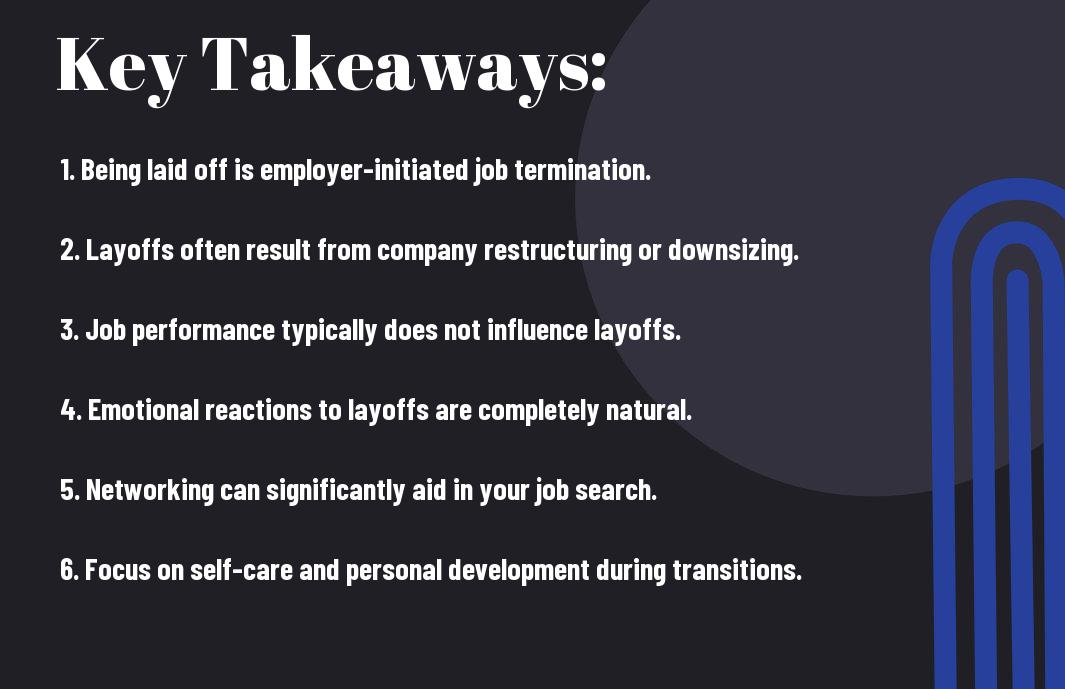
Key Takeaways:
- Definition of Layoff: Being laid off refers to the involuntary termination of employment by the employer due to factors such as company downsizing or restructuring, rather than an employee’s performance issues.
- Coping Strategies: Emotional and mental resilience is vital. It is important to allow oneself to feel emotions, maintain a routine, stay physically active, and connect with a support system.
- Networking Importance: Building and leveraging a professional network can significantly enhance job search opportunities. Engaging on social media platforms and attending virtual events are effective ways to connect with potential employers.
- Resume Update: Crafting a strong, tailored resume highlighting relevant skills and achievements is imperative for re-entering the job market, especially after an extended layoff.
- Positive Outlook: Maintaining optimism is key. Viewing the layoff as an opportunity for personal and professional growth can lead to new and exciting career paths.
What Does Being Laid Off Mean?
The term “laid off” signifies the involuntary termination of your employment, initiated by your employer rather than being a decision prompted by your own actions. This situation typically arises from external factors such as company restructuring, downsizing, or budget cuts, reflecting the organization’s business needs rather than your individual performance. Unlike being fired, which often involves issues related to your conduct or job capabilities, a layoff is more about the economic realities affecting the entire organization.
The implications of being laid off can be significant, including the immediate loss of income and benefits, but this experience should not be viewed as a negative indictment of your skills or abilities. Rather, it offers an opportunity for you to reassess your career goals, explore new avenues, and adapt to changes in the job market. Understanding that layoffs are frequently devoid of personal failings can help you approach this challenging chapter with a more constructive mindset as you prepare to navigate new opportunities ahead.
Key Differences Between Layoffs and Terminations
It is important to understand the distinctions between being laid off and being terminated, as they are handled very differently both by your employer and by industry standards. When you experience a layoff, it is an involuntary job separation initiated by your employer due to factors such as company restructuring, downsizing, or economic challenges. Often, this decision is not a reflection of your performance but rather the result of broader organizational needs. Conversely, being terminated usually relates to your job performance or conduct. If you are terminated, it is often viewed negatively and may impact your future job prospects.
It is also necessary to recognize the implications that come with each scenario. Employees who are laid off may be eligible for unemployment benefits, severance pay, and other forms of assistance, which can provide necessary support during your job transition. On the other hand, those who are fired often do not qualify for these benefits, which can leave you in a more precarious financial situation. Understanding these differences can help you navigate this challenging period more effectively and prepare for your next steps with clarity.

Emotional Reactions to Being Laid Off
Now that you’ve experienced a layoff, it’s important to acknowledge the emotional turmoil that may arise during this challenging time. You might feel a mix of shock, anger, sadness, and anxiety as you come to terms with the job loss. These feelings are not uncommon and can significantly impact your mental health and well-being. Allowing yourself to process these emotions rather than suppressing them can be beneficial. Engaging in conversations with trusted friends, family members, or a therapist can provide support and perspective as you navigate this period of uncertainty.
To effectively cope with the emotional impact of a layoff, establishing a structured routine can play a vital role in restoring a sense of normalcy to your daily life. You can also prioritize self-care by maintaining a healthy diet, exercising regularly, and ensuring you get enough sleep. These activities not only support your physical health but also help in managing stress levels. For additional guidance on Coping with the Emotional Impact of a Layoff, explore resources that focus on emotional resilience and mental health strategies during this transition. By adopting a proactive approach to your emotional health, you can emerge from this experience stronger and more resilient.

Practical Steps to Cope with Job Loss
You may find that coping with job loss involves navigating a complex array of emotions, from shock and anger to anxiety and sadness. It is important to allow yourself to feel these emotions rather than suppress them. Engaging in open dialogues with friends, family, or a therapist can provide you with the support and perspective needed to process your feelings. Establishing a routine that includes regular wake-up and sleep times, along with designated job search hours, can also instill a sense of normalcy during this period of uncertainty.
You should prioritize your physical health by engaging in regular exercise, eating well, and ensuring you get sufficient rest. These actions not only enhance your well-being but also contribute positively to your mental health. Taking the opportunity to network with former colleagues, mentors, and industry peers can open doors to new job prospects and emotional support. Furthermore, consider using this time for personal development; whether it’s acquiring new skills or engaging in previously neglected hobbies, investing in yourself can boost your self-esteem and prepare you for future opportunities.
Networking and Job Searching Strategies
While navigating the job market after being laid off, effective networking can significantly enhance your chances of uncovering new opportunities. Leverage your existing connections by reaching out to former colleagues, mentors, and industry professionals. Your network can provide insights into job openings, offer recommendations, and potentially introduce you to hiring managers. In fact, studies show that up to 70% of job openings are not advertised and are filled through networking. Therefore, actively engaging with your professional circle is vital for increasing your visibility and uncovering hidden job opportunities.
In addition to tapping into your network, it’s imperative to adopt practical job searching strategies. Update your resume to highlight relevant skills and experiences tailored to the specific roles you are targeting. Don’t forget to create an engaging LinkedIn profile, as it can serve as a digital representation of your professional brand. Actively participate in virtual events, webinars, and discussions within your industry; this will not only enhance your knowledge but also help you establish connections that may lead to job opportunities. By combining a robust networking approach with targeted job searching techniques, you can successfully navigate this transition period and find a fulfilling new role.
Financial Management Post-Layoff
All individuals face a significant challenge when it comes to managing their finances after being laid off. The sudden loss of income necessitates immediate action to stabilize your financial situation. Begin by thoroughly reviewing your finances, including all sources of income, monthly expenses, and savings. Identify non-imperative expenses that can be cut, allowing you to create a more manageable budget that aligns with your new circumstances. This planning will not only help you maintain your financial health but also alleviate some stress during your job search.
All job seekers should also explore available financial resources and support options, such as unemployment benefits or severance packages from your previous employer. Being laid off can make you eligible for assistance that you might not have anticipated, which can provide a temporary buffer as you transition to new employment. Additionally, organizing your finances with a monthly plan can help maintain control over your spending, ensuring that your resources are allocated wisely during this unpredictable period. Stay proactive in tracking your expenses and adjusting your budget as new financial situations arise, which can lead to more confidence and peace of mind in your job search journey.
Understanding ‘Laid Off’: What It Means and Effective Strategies for Coping with Job Loss
Hence, being laid off does not reflect on your abilities or worth as an employee. It is an involuntary termination influenced by external factors such as company restructuring or economic downturns. Recognizing this can ease some of the emotional burden you may feel during this time. Understanding the difference between being laid off and being fired is important, as it helps you to navigate the path ahead with clarity and purpose. Accepting your situation as a challenge rather than a failure can empower you to seek new opportunities aligned with your career goals.
To effectively cope with a layoff, it is important to develop a structured approach that encourages growth and resilience. Start by taking care of your mental and physical health while focusing on building a robust network and updating your resume. Set realistic goals to guide your job search and actively engage in personal development during this transitional phase. By employing these strategies, you position yourself to bounce back stronger and more accomplished, transforming a setback into a stepping stone toward achieving your professional aspirations.
Frequently Asked Questions (FAQs)
Q: What should I do immediately after being laid off?
A: After being laid off, the first step is to take a moment to process the situation. Acknowledge and express your emotions, whether it’s shock, sadness, or even relief. Next, review any severance package or benefits your employer offers, as well as your eligibility for unemployment benefits. This is also a good time to update your resume and LinkedIn profile, reflecting your most recent experiences and skills. Finally, reach out to your network for support, advice, and potential job leads.
Q: How can I maintain my mental well-being during this period?
A: Maintaining mental well-being during a layoff involves several strategies. Establishing a consistent daily routine can provide structure and a sense of normalcy. Incorporate self-care activities such as exercise, meditation, or hobbies that bring you joy to help reduce stress. Connect with friends, family, or support groups, as sharing your feelings can foster emotional resilience. It may be beneficial to seek professional counseling or therapy if you find it hard to cope with the emotional impacts of job loss.
Q: What are the financial steps I should take after being laid off?
A: After a layoff, assessing your financial situation is key. Begin by reviewing your savings and expenses to create a budget that accounts for the loss of income. Identify important expenses and areas where you can cut back. Explore state unemployment benefits and check for any severance pay from your employer. Additionally, consider temporary employment options or gig work to supplement income until you secure a new position.
Q: How can I leverage networking effectively during my job search?
A: Networking is a powerful tool during your job search. Start by updating your online profiles with your latest experiences and skills. Reach out to former colleagues, mentors, and industry contacts to inform them of your job search. Attend industry events, webinars, and networking sessions, both virtual and in-person, to meet new people and build connections. Engage with posts on social media platforms like LinkedIn to demonstrate your expertise and stay active within your professional community.
Q: What are some common misconceptions about being laid off?
A: One common misconception is that being laid off reflects negatively on your professional capabilities. In reality, layoffs are often driven by factors unrelated to individual employee performance, such as company restructuring or market conditions. Another misconception is that there is a stigma around unemployment; many people experience layoffs and understand that it can happen to anyone. Lastly, some believe that job searching while still processing the layoff is a mistake, but using the time for self-reflection and personal development can greatly benefit your future career opportunities.